What is microcement?
Microcement is a decorative coating applied in thin layers to create a seamless look on floors and walls. With suitable substrate preparation, it can also be used on stairs and over existing tiles.
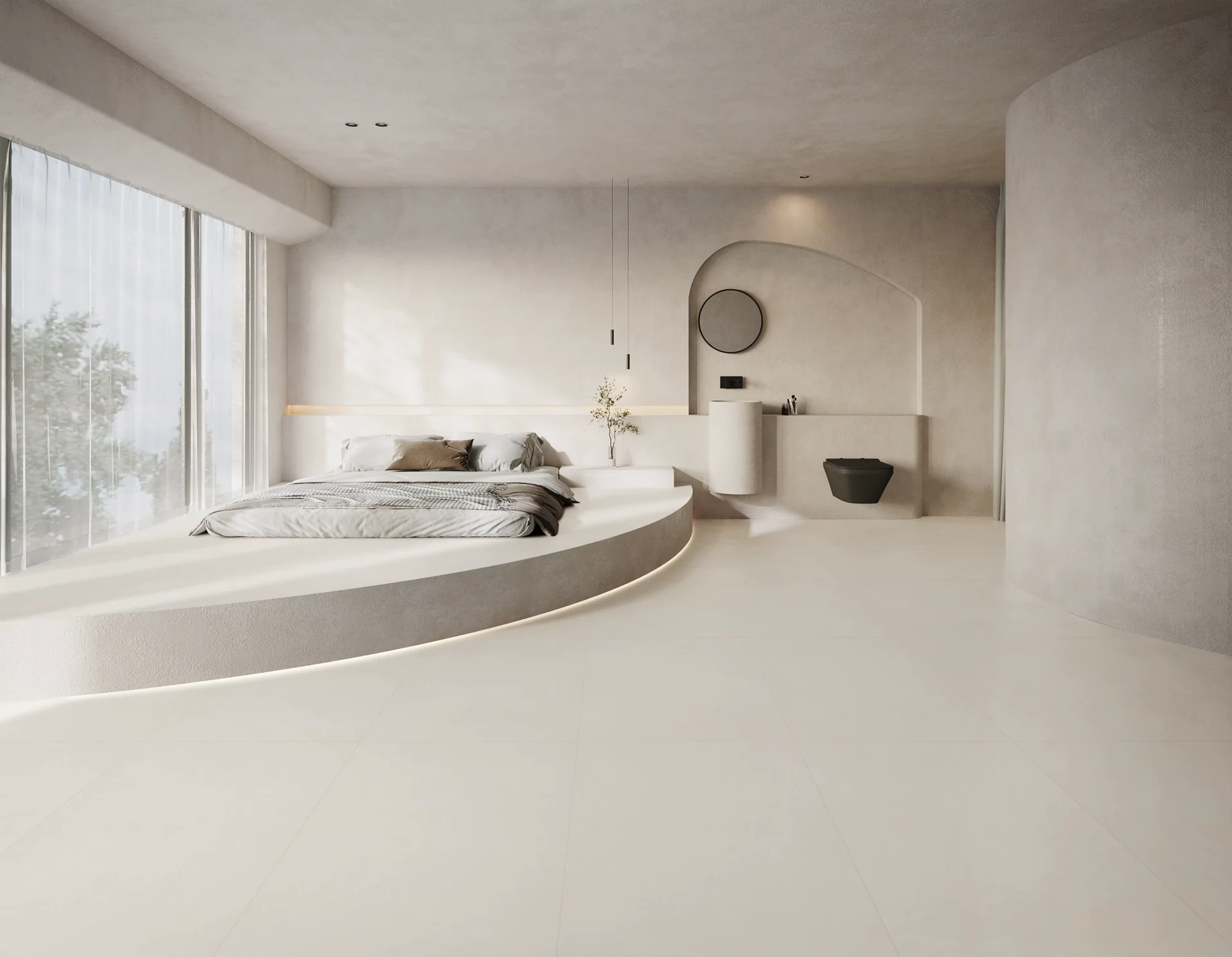
Where can microcement be used?
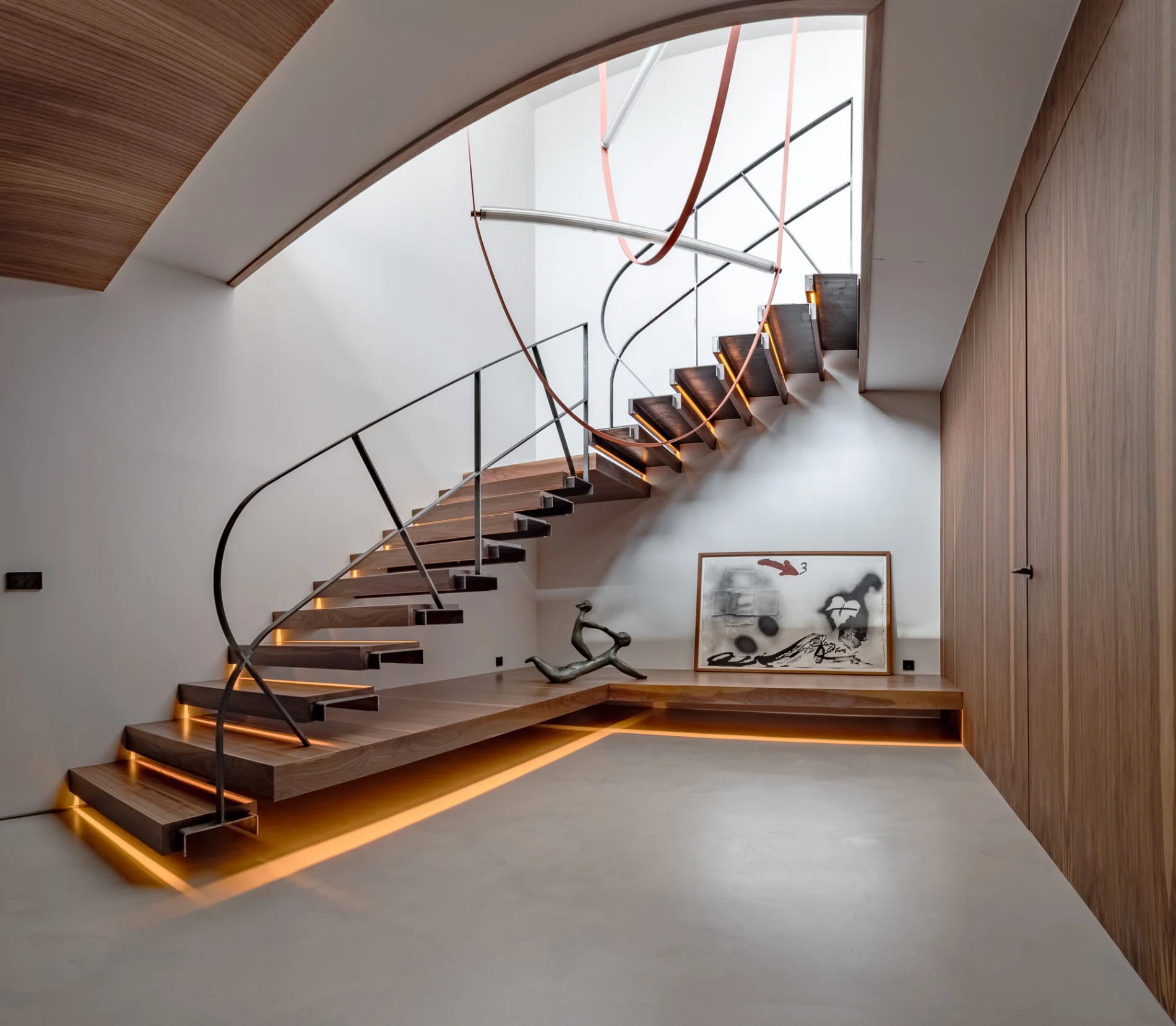
Suitable systems can be used on floors, walls, stairs and furniture. In an open kitchen, a continuous finish can visually connect the floor and walls. Stair nosings, heavy foot traffic and frequently cleaned surfaces each call for different detailing.

COLOUR COLLECTION
Microcement colours
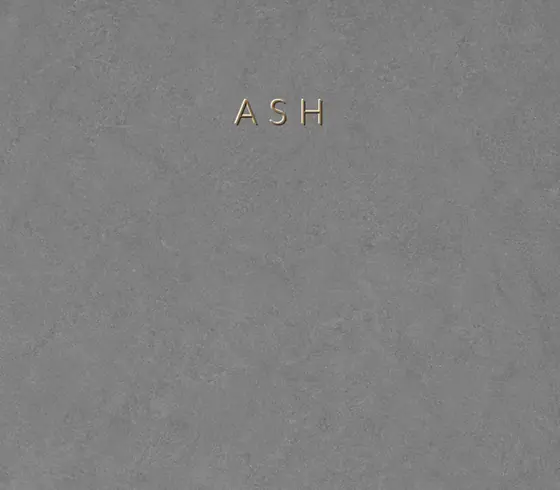
Three tones from the C-Design collection for walls and floors.


Check a physical sample in the room’s own light before choosing a colour.
Explore all C-Design colours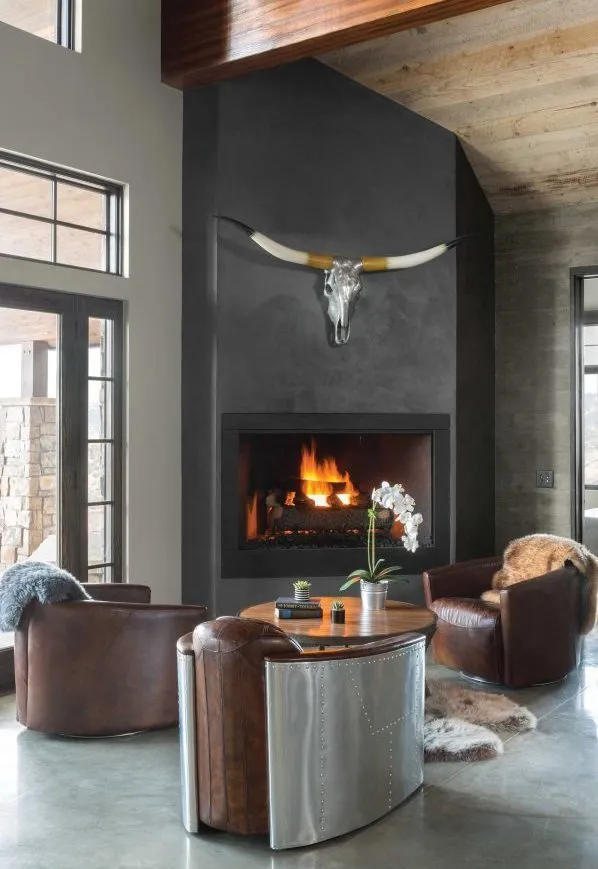

Can microcement go over existing tiles?
Sound, firmly bonded tiles may be suitable. Inspect for movement, loose tiles and moisture before specifying the finish. Clean the surface, prepare grout joints and use the primer specified for the system. Allow for structural movement joints in the design.
What should you check in bathrooms and wet areas?
A shower floor faces different conditions from a wall exposed only to splashes. Address waterproofing, drainage, falls and corner details before applying the decorative finish. Check the technical documentation for suitable protection and slip performance.
What affects microcement cost?
The rate per square metre is one part of the quote. The total depends on the area to be coated, the condition of the substrate, the labour needed for detailing and the protective topcoat.
Small bathroom
Existing tile joints may need filling and the surface may need priming. Corners, thresholds and the area around the drain each take time to detail. The topcoat should suit wet-area use. These tasks can raise the rate per square metre when spread over a small area.
Large, even floor
A sound, level substrate may need less levelling or repair. Work can progress more continuously across an open floor, while the total amount of material and protective topcoat increases with the area. The overall quote may therefore be higher even when the rate per square metre is lower.
When comparing quotes, check whether preparation, any waterproofing, installation labour and the protective topcoat are included.
What information helps when requesting a quote?
Provide the approximate area, existing substrate and intended use. Include overall photos and close-ups of joints, cracks and transitions. Ask the installer to itemise preparation, any waterproofing, application and sealing, and to specify when the surface can be used.